
Material Handling Equipment Demand in Oman and Tanzania:
Key Logistics Growth Drivers in 2026

Kylian James
Marketing Engineer , Machinex Global
[email protected]
Table of Contents
Introduction
In 2026, global supply chains are undergoing a significant transformation, with emerging markets playing a more central role in trade and logistics. Among these, Oman and Tanzania are rapidly positioning themselves as strategic logistics hubs connecting Asia, the Middle East, and Africa.
This growth is not just about ports and trade routes—it is directly driving the material handling equipment demand in Oman and Tanzania, especially for machines such as diesel forklifts, warehouse forklifts, telehandlers, and industrial lifting equipment.
As infrastructure expands and cargo volumes increase, businesses across logistics, construction, and manufacturing sectors are actively investing in equipment that can support faster, safer, and more efficient operations

Why Oman Is Emerging as a Logistics Powerhouse
Oman’s geographic position gives it a natural advantage in global trade. Located along major shipping routes between Asia, Africa, and the Middle East, the country has invested heavily in logistics infrastructure to become a regional gateway.
Port-Led Growth and Trade Expansion
Ports such as Port of Sohar and Port of Salalah are key drivers of Oman’s logistics growth. These ports handle large volumes of:
- Container cargo
- Bulk materials
- Industrial shipments
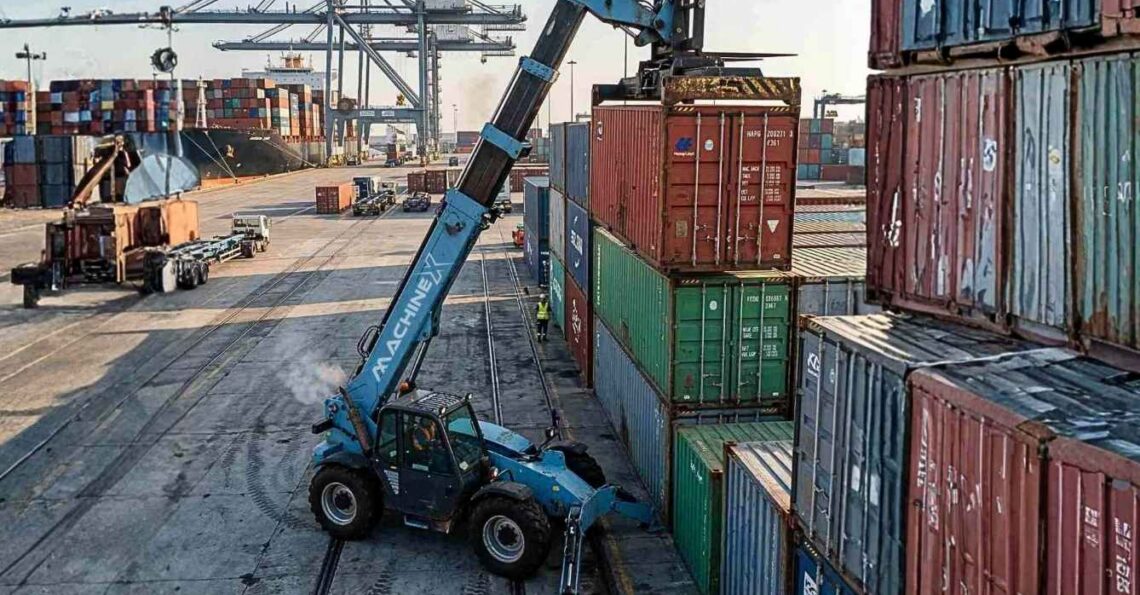
With increasing throughput, port operators require efficient systems to manage cargo movement—this directly increases the demand for heavy duty diesel forklifts and container handling equipment.
Freezones and Industrial Development
Oman has developed multiple industrial zones and freezones that attract manufacturing and logistics companies. These facilities require:
- Warehouse operations
- Raw material handling
- Production support logistics
As a result, the material handling equipment demand in Oman is rising across both port and inland industrial ecosystems.
Growth of Warehouse and Distribution Networks
With expanding import-export activity, Oman is witnessing a rise in:
- Distribution centers
- Storage facilities
- Logistics service providers
Warehouse handling high volumes of goods depend heavily on forklifts for pallet movement, stacking, and inventory management. This has led to increased searches for:
- forklift supplier Oman
- diesel forklift for warehouse operations
- industrial forklift for logistics
Tanzania: The Gateway to East African Trade
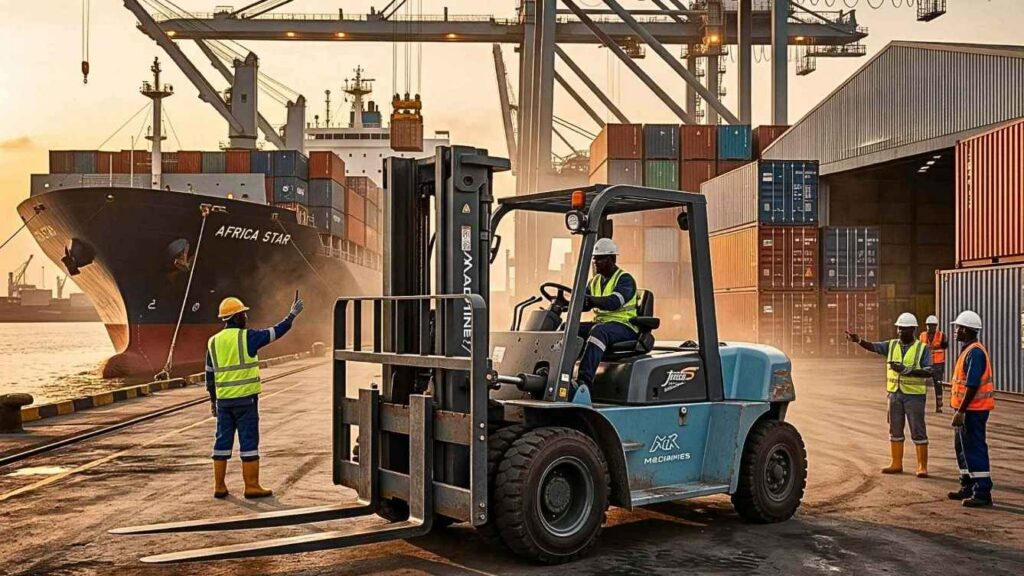
Tanzania plays a crucial role in East Africa’s logistics network, serving not only its domestic market but also neighboring landlocked countries.
Strategic Importance of Dar es Salaam Port
The Port of Dar es Salaam is one of the busiest ports in East Africa. It acts as a primary entry point for goods destined for countries such as Zambia, Rwanda, and the Democratic Republic of Congo.
As cargo volumes grow, port operators rely on:
- Diesel forklifts for container handling
- Heavy-duty lifting equipment
- Warehouse logistics machinery
This has significantly increased the material handling equipment demand in Tanzania.
Expansion of Logistics Corridors
Tanzania is investing in rail and road infrastructure to improve cargo movement from ports to inland regions. These developments are creating demand for:
- Logistics hubs
- Inland container depots
- Distribution centre
Each of these facilities requires reliable material handling solutions to ensure efficient operations.
Growth of Key Industries
Several industries in Tanzania are contributing to rising equipment demand:
- Agriculture – storage and export of crops
- Mining – handling heavy materials and machinery
- Construction – infrastructure development
These sectors depend heavily on forklifts and other equipment to move goods efficiently across supply chains.
Why Material Handling Equipment Demand Is Increasing
The growth of logistics infrastructure in Oman and Tanzania is directly linked to the rising demand for equipment.
Increasing Cargo Volumes
Higher trade volumes require faster loading and unloading operations. Forklifts play a critical role in maintaining operational efficiency.
Need for Operational Efficiency
Manual handling is no longer practical for large-scale logistics. Businesses are investing in equipment to:
- Reduce labour dependency.
- Increase speed.
- Improve safety.
Industrial Expansion
Manufacturing and construction projects require continuous material movement, creating consistent demand for forklifts and lifting equipment.
Shift Toward Organized Warehousing
Modern warehouses require structured inventory systems supported by forklifts and pallet handling equipment.
Diesel Forklifts: The Preferred Choice in Emerging Markets
Despite the availability of electric forklifts, diesel forklifts remain the dominant choice in Oman and Tanzania for several reasons:
- Higher lifting capacity
- Better performance in outdoor environments
- Ability to operate continuously without charging delays
- Durability in rough terrain and industrial conditions
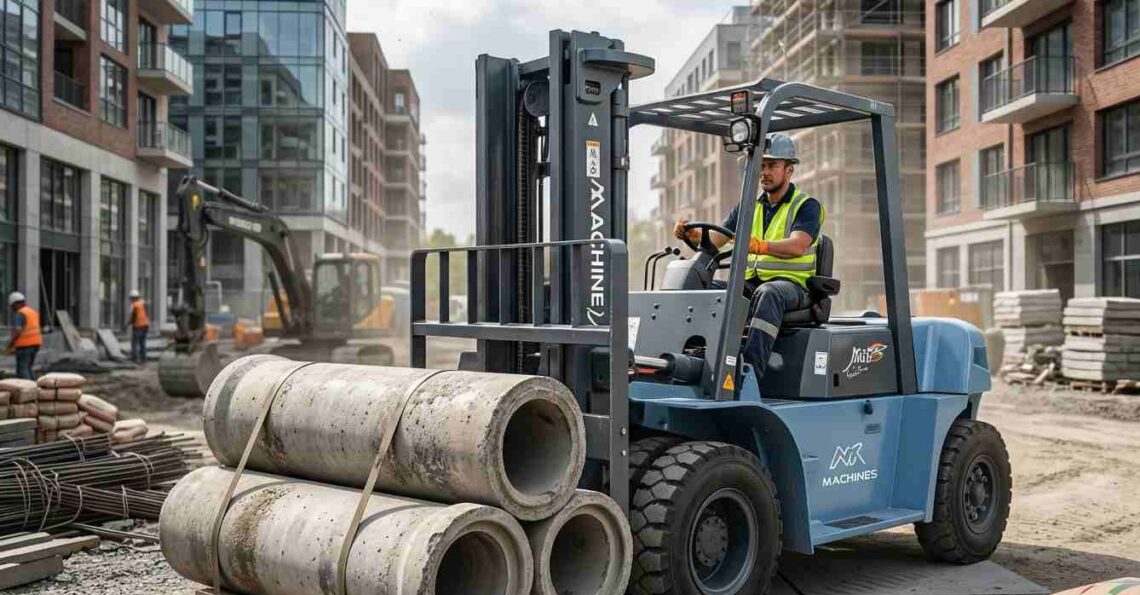
In ports, construction sites, and industrial yards, diesel forklifts provide the reliability needed for heavy-duty operations.
Key Applications Driving Equipment Demand
The material handling equipment demand in Oman and Tanzania is primarily driven by the following applications:
Port and Container Yard Operations
Handling large cargo volumes efficiently requires high-capacity forklifts.
Warehouse Logistics
Pallet movement, stacking, and inventory management depend on forklifts.
Construction Projects
Moving building materials and equipment across construction sites.
Industrial Manufacturing
Supporting production lines and material transport within factories.
Challenges and Opportunities in the Market
While demand is growing, businesses also face challenges such as:
- High cost of premium equipment
- Maintenance and spare parts availability
- Operational efficiency in harsh environments
This has created an opportunity for suppliers offering:
- Cost-effective solutions
- Durable equipment
- Reliable performance without excessive brand premiums
Companies are increasingly looking for industrial equipment suppliers who can provide value-driven solutions.
Future Outlook: A Strong Growth Trajectory
The logistics sectors in Oman and Tanzania are expected to grow significantly over the next decade.
Key trends include:
- Expansion of port infrastructure
- Growth of international trade routes
- Increasing warehouse automation
- Rising industrial activity
These developments will continue to drive demand for:
- Diesel forklifts
- Telehandlers
- Warehouse material handling equipment
As businesses scale their operations, the need for efficient and reliable equipment will only increase.
Conclusion
Oman and Tanzania are rapidly emerging as key players in global logistics, supported by strategic investments in infrastructure and industrial development. This transformation is driving strong growth in the material handling equipment demand in Oman and Tanzania, particularly for forklifts and industrial lifting solutions.
From port operations in Sohar and Dar es Salaam to warehouse expansion and construction projects, businesses across these regions require equipment that can handle heavy workloads efficiently.
For companies operating in logistics, construction, and manufacturing, investing in the right material handling equipment is no longer optional—it is essential for staying competitive in fast-growing markets.
As global trade continues to evolve, Oman and Tanzania will remain at the forefront of logistics growth, creating long-term opportunities for businesses and equipment suppliers alike.