
How to Choose the Right Forklift Capacity for Your Business in Tanzania (3 Ton vs 5 Ton vs 10 Ton)

Kylian James
Sales Engineer , Machinex Global ,
[email protected]
Table of Contents
Choosing the correct forklift capacity is one of the most important decisions for businesses in Tanzania that rely on material handling equipment. Whether you operate a warehouse, construction site, logistics company, or industrial facility, selecting the wrong forklift size can lead to safety risks, reduced efficiency, and unnecessary costs.
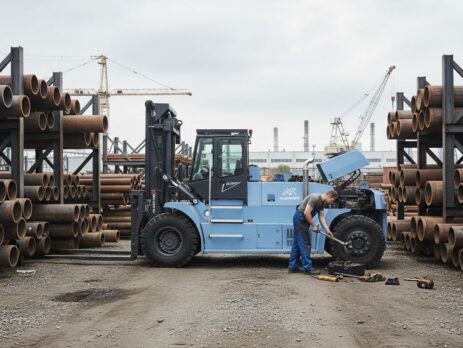
Many buyers often ask:
Is a 3-ton forklift enough for my operations?
When should I choose a 5-ton forklift?
Do I need a 10-ton heavy-duty forklift?
This guide explains how to choose the right forklift capacity based on your workload, industry requirements, and operating conditions in Tanzania.
Why Forklift Capacity Matters
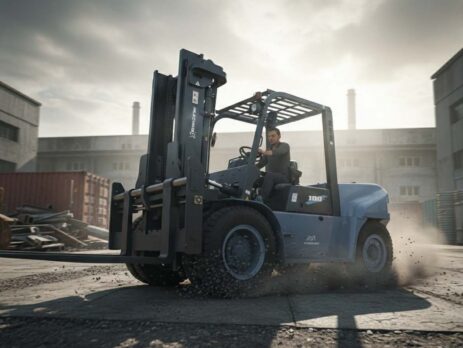
Forklift capacity refers to the maximum weight a forklift can safely lift and transport. Choosing the correct capacity ensures:
Safe operation
Improved productivity
Reduced equipment wear
Lower maintenance costs
Better return on investment
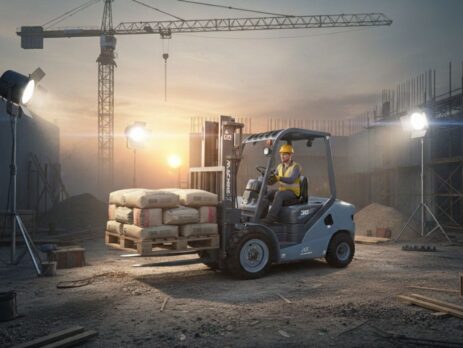
Using a forklift that is too small can cause overload risks and machine damage, while choosing an oversized forklift may result in unnecessary fuel consumption and higher operating costs
Common Forklift Capacities Used in Tanzania
In Tanzania, the most commonly used forklift capacities include:
Each capacity serves different industries and workloads.
3 Ton Forklift: Ideal for Warehousing and General Logistics
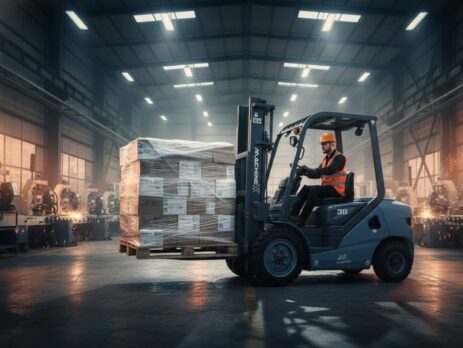
A 3-ton forklift is one of the most popular choices for small to medium businesses. It offers flexibility and is suitable for many indoor and outdoor applications.
Best Uses
Warehouses and distribution centers
Retail storage facilities
Light manufacturing operations
Agricultural product handling
Advantages
Lower purchase cost
Good fuel efficiency
Easy maneuverability
Suitable for standard pallets
For businesses handling goods under 2,500 kg regularly, a 3-ton forklift is usually sufficient.
5 Ton Forklift: Balanced Power for Industrial Operations
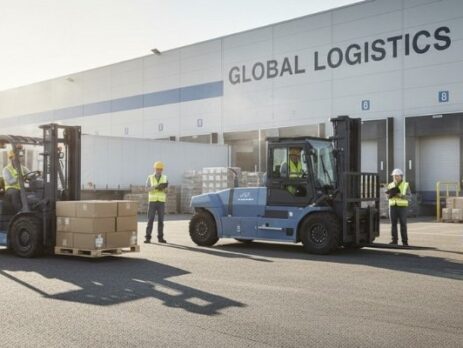
A 5-ton forklift is ideal for companies that require more lifting power and durability. It is commonly used in industries with heavier materials or outdoor operations.
Best Uses
Construction material yards
Industrial warehouses
Manufacturing plants
Timber and steel handling
Advantages
Higher lifting capacity
Stronger structural durability
Better performance in outdoor environments
Suitable for heavy-duty workloads
If your operations involve heavier loads, uneven surfaces, or longer working hours, a 5-ton forklift is often the best investment.
7–10 Ton Forklift: Heavy Industrial and Port Applications
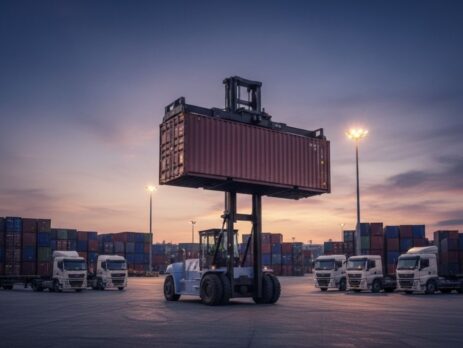
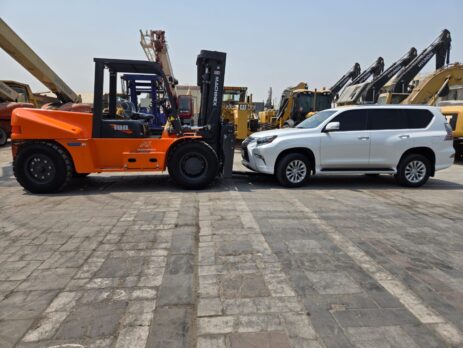
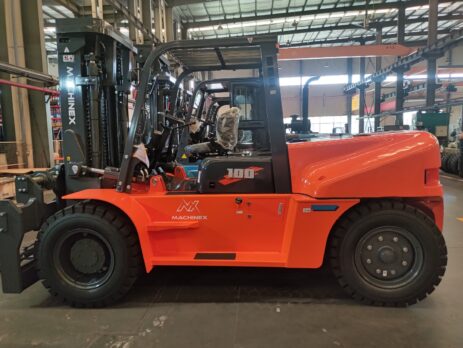
Heavy-duty forklifts in the 7-10 ton range are typically used for demanding industrial environments where large materials or machinery components are handled.
Best Uses
Ports and cargo terminals
Mining and infrastructure projects
Steel and heavy equipment industries
Large construction operations
Advantages
High lifting capacity for oversized loads
Strong chassis and mast structure
Designed for continuous heavy-duty work
Improved stability for large cargo
Businesses dealing with large containers, machinery, or bulk materials should consider forklifts in this category.
Factors to Consider When Choosing Forklift Capacity in Tanzania
Selecting the right forklift is not only about weight capacity. Several factors should influence your decision.
1. Load Weight and Dimensions
Always calculate the maximum load weight you will handle, including packaging. Oversized or uneven loads may require a higher capacity forklift.
2. Lift Height Requirements
Higher lift heights reduce effective capacity. If your warehouse uses tall racks, ensure the forklift capacity matches the required lifting height.
3. Operating Environment
Tanzania’s working conditions vary widely:
Indoor warehouses → Standard forklifts
Outdoor yards → Diesel forklifts with pneumatic tyres
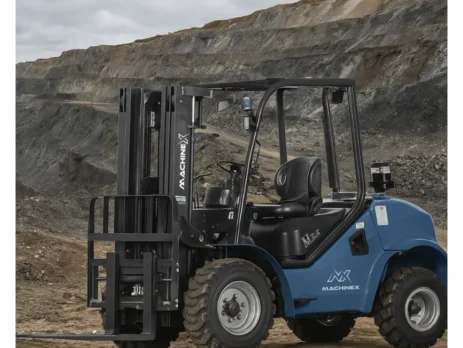
Construction sites → Rough terrain forklifts
The environment directly affects forklift selection.
4. Working Hours and Duty Cycle
Businesses operating multiple shifts require durable machines with higher capacity and stronger components to handle continuous workloads.
5. Terrain Conditions
Uneven ground, gravel surfaces, or slopes require forklifts with better stability and power. In such cases, choosing a slightly higher capacity provides better safety margins.
Diesel Forklifts vs Electric Forklifts for Tanzania
While electric forklifts are suitable for indoor environments, diesel forklifts remain more popular in Tanzania because they offer:
Higher power output
Better outdoor performance
Faster refueling
Longer operating hours
Reliability in remote locations
For construction sites, logistics yards, and outdoor operations, diesel forklifts are usually the preferred option.
Common Mistakes Buyers Make
Many businesses make costly mistakes when selecting forklifts. Avoid these common issues:
Choosing the lowest price instead of the right capacity
Ignoring future workload growth
Not considering spare parts availability
Buying without warranty documentation
Selecting indoor forklifts for outdoor use
A forklift is a long-term investment, so careful planning is essential.
Importance of Supplier Support and Spare Parts
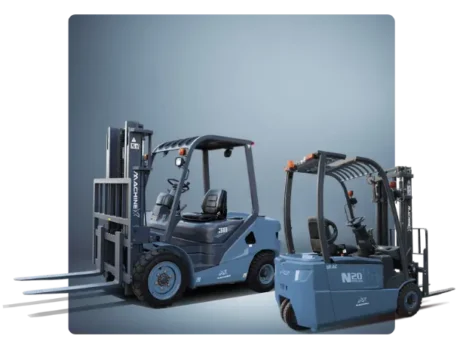
One of the biggest concerns for Tanzanian buyers is equipment downtime due to lack of spare parts or technical support.
Before purchasing, confirm:
Warranty coverage
Spare parts availability
Maintenance guidance
Technical documentation
Supplier reliability
Reliable supplier support ensures long-term operational efficiency.
How to Decide Between 3 Ton, 5 Ton, and 10 Ton Forklifts
A simple guideline:
Choose 3 Ton → Light to medium warehouse operations
Choose 5 Ton → Industrial, construction, or outdoor operations
Choose 7–10 Ton → Heavy industry or large cargo handling
If you are unsure, consulting with an equipment specialist can help determine the correct capacity based on your workload.
Final Thoughts
Selecting the right forklift capacity for your business in Tanzania is critical for safety, efficiency, and profitability. Understanding your load requirements, operating conditions, and future growth plans will help you make the right investment
Whether you need a flexible 3-ton forklift, a powerful 5-ton machine, or a heavy-duty 10-ton solution, choosing equipment designed for demanding environments ensures long-term performance and reliability.
Frequently Asked Questions (FAQs)
What forklift capacity is best for warehouses in Tanzania?
A 3-ton forklift is commonly used for warehouse operations handling standard pallets and moderate loads.
When should I choose a 5-ton forklift?
If your operations involve heavy materials, outdoor work, or construction environments, a 5-ton forklift is a better option.
Are diesel forklifts suitable for Tanzania?
Yes. Diesel forklifts are widely used due to their power, durability, and ability to operate in outdoor and demanding environments.
How do I calculate forklift capacity requirements?
Determine the maximum load weight, dimensions, and lifting height required for your operations. Always allow a safety margin.