
How to Choose the Right Diesel Forklift for African Ports and Logistics Warehouses
Across many African countries, the rapid expansion of ports, logistics corridors, and warehouse infrastructure is driving increased demand for reliable material handling equipment.
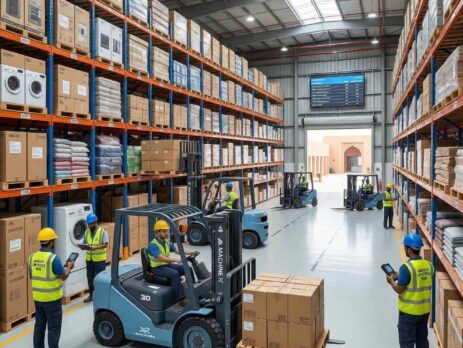
Ports such as Dar es Salaam in Tanzania, Mombasa in Kenya, and Durban in South Africa are experiencing growing cargo volumes as regional trade continues to expand.
To handle this increasing flow of goods efficiently, logistics operators rely heavily on diesel forklifts.
A diesel forklift is one of the most powerful and durable machines used in industrial environments. Unlike electric forklifts designed primarily for indoor warehouses, diesel forklifts are engineered to operate in demanding outdoor environments such as container terminals, cargo yards, construction sites, and large logistics hubs.
For companies searching online for “diesel forklift for sale in Tanzania”, “heavy duty forklift for container handling”, or “forklift supplier in East Africa”, selecting the right equipment is essential for maintaining operational efficiency. Choosing the wrong forklift capacity or configuration can lead to reduced productivity, higher fuel consumption, and safety risks.
This guide explains the key factors businesses should consider when selecting the right diesel forklift for African ports and logistics warehouses, ensuring reliable performance and long-term operational value.
Understanding Diesel Forklifts in Port and Logistics Operations
Diesel forklifts are widely used in heavy industrial operations because of their ability to handle large loads and demanding environments.
They are powered by diesel engines that provide strong torque and lifting capacity, making them ideal for moving heavy cargo and stacked containers.
In port logistics, forklifts are used for:
- unloading cargo from trucks and containers
- stacking pallets and industrial goods
- transporting materials across large warehouse yards
- handling construction materials and machinery components
Compared with smaller electric forklifts, diesel forklifts typically offer higher lifting capacities, making them suitable for heavy logistics operations.
Common diesel forklift capacities used in African logistics environments include:
3 ton diesel forklift – small warehouse operations
5 ton diesel forklift – medium logistics facilities
8–10 ton diesel forklift – heavy industrial cargo handling
These machines are frequently searched online by buyers looking for “heavy duty diesel forklift for sale” or “forklift supplier for container yard operations.”
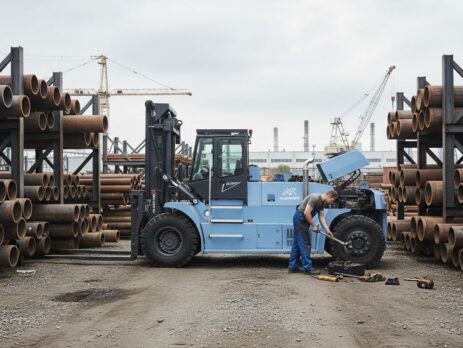
Key Factors to Consider When Choosing a Diesel Forklift
Selecting the correct forklift requires understanding the operational needs of the logistics facility or port environment.
Several important factors influence which forklift model will deliver the best performance.
1. Lifting Capacity Requirements
The first consideration when choosing a forklift is lifting capacity. This determines the maximum weight the machine can safely lift and transport.
In African ports and logistics yards, cargo loads can vary widely. Containers, construction materials, and industrial machinery often require forklifts capable of lifting several tons.
Typical lifting capacities used in logistics operations include:
- 3–5 ton forklifts for warehouse pallet handling
- 5–7 ton forklifts for medium cargo operations
- 8–10 ton forklifts for container yard operations
Businesses searching for “5 ton diesel forklift for sale” often operate medium-sized logistics warehouses where heavy pallet loads are common.
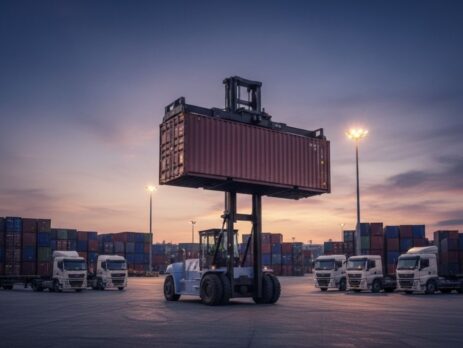
Choosing a forklift with insufficient lifting capacity can cause safety risks and equipment damage, so it is important to match the machine with the expected cargo weight.
2. Forklift Mast Height and Stacking Requirements
Another important factor is mast height, which determines how high the forklift can lift loads.
In large logistics warehouses where pallets are stacked vertically, forklifts must reach higher storage racks. Typical mast heights range from 3 meters to over 6 meters, depending on warehouse layout.
For port operations and outdoor logistics yards, extremely high stacking is usually not required, but stability and load balance become more important.
Buyers often research specifications online before purchasing, searching for terms such as:
- forklift lifting height
- warehouse forklift stacking height
- industrial forklift mast specifications
Choosing the correct mast configuration ensures efficient storage and loading operations.
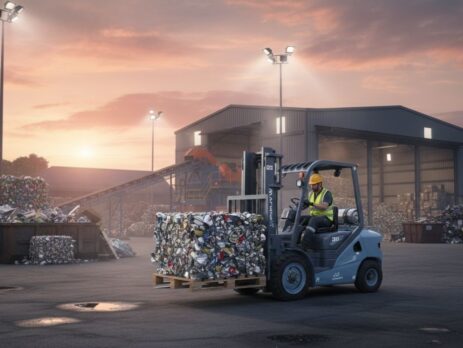
3. Engine Power and Performance
Because diesel forklifts are commonly used outdoors, engine performance plays a critical role in operational efficiency.
High-performance diesel engines provide:
- strong lifting torque
- reliable operation in hot climates
- better performance on uneven surfaces
In African ports where equipment may operate for long hours, forklifts with reliable diesel engines are often preferred.
Many buyers look for forklifts equipped with Yuchai, Cummins, or other industrial-grade engines because they are known for durability and fuel efficiency
Search queries like “heavy duty diesel forklift engine performance” or “industrial forklift engine specifications” reflect this buyer concern.
4. Operating Environment and Terrain Conditions
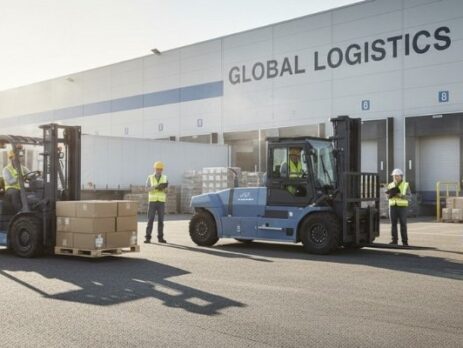
African logistics environments often involve rough terrain, dusty conditions, and large outdoor yards. Forklifts operating in these conditions must have durable tires and strong chassis structures.
Important features for such environments include:
- pneumatic tires for rough surfaces
- reinforced chassis for heavy loads
- stable counterweight design
Diesel forklifts with rugged construction are more suitable for container yards and construction logistics operations.
For this reason, buyers frequently search for “diesel forklift for outdoor logistics operations” when sourcing equipment
5. Maintenance and Spare Parts Availability
Another critical factor in forklift selection is maintenance support. Industrial equipment used in logistics operations must be serviced regularly to maintain performance and safety.
When purchasing a forklift, companies should consider:
- availability of spare parts
- service support from suppliers
engine reliability
In many African markets, buyers prefer equipment that uses widely available components so that maintenance can be handled locally.
This is why search terms such as “reliable diesel forklift supplier” or “forklift spare parts availability” are common among buyers researching equipment online.
Diesel Forklifts vs Electric Forklifts in Logistics Operations
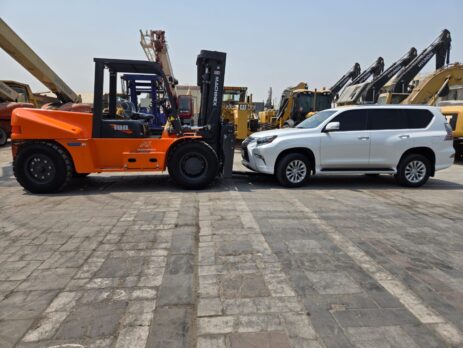
While electric forklifts are popular in indoor warehouses, diesel forklifts remain the preferred choice in many African logistics environments.
Key advantages of diesel forklifts include:
1. Higher power output
Diesel forklifts can lift heavier loads than most electric models.
2. Better performance outdoors
They are designed to operate in rough environments such as container yards and construction sites.
3. Long operating hours
Unlike electric forklifts that require charging cycles, diesel machines can operate continuously with refueling.
For these reasons, logistics operators often search for “diesel forklift for container handling” rather than electric models.
Why Businesses Prefer Direct Equipment Suppliers
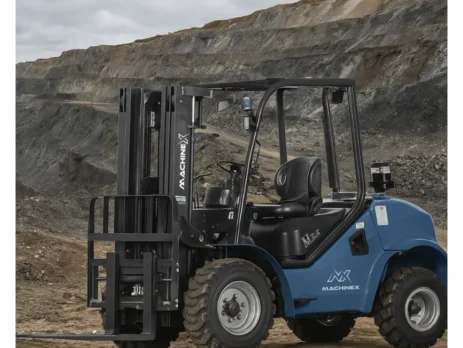
When sourcing forklifts for large logistics operations, companies often compare multiple suppliers before making a purchase decision.
Key factors buyers evaluate include:
- equipment specifications
- supplier reliability
- international shipping capability
- pricing competitiveness
Some suppliers offer equipment directly from manufacturers, reducing additional brand premiums. This model—often referred to as buying equipment without brand tax—can significantly reduce procurement costs for contractors and warehouse operators.
As a result, businesses frequently search online for “forklift supplier with competitive pricing” or “industrial forklift direct supplier.”
Future Growth of Logistics Equipment Demand in Africa
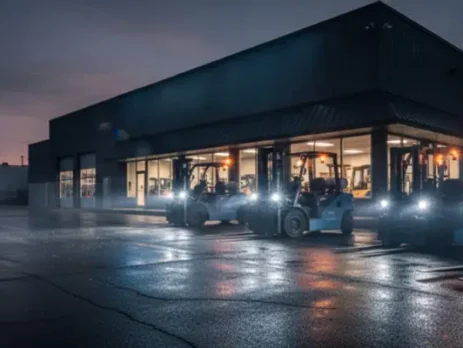
Africa’s logistics infrastructure is expected to grow significantly over the next decade. Investments in ports, industrial zones, and transportation networks will increase demand for material handling equipment.
Ports such as Dar es Salaam continue expanding container handling capacity, while inland logistics hubs are developing across East Africa.
As cargo volumes increase, logistics companies will require more equipment to support efficient operations. Machines such as diesel forklifts, telehandlers, and warehouse forklifts will remain essential tools for managing industrial cargo movement.
Businesses planning equipment purchases today should consider not only current operational needs but also future logistics expansion
Large-scale port infrastructure projects like Bagamoyo will require extensive material handling operations, including heavy duty diesel forklifts, container handling equipment, and warehouse logistics machinery.
Conclusion
Selecting the right diesel forklift for African ports and logistics warehouses requires careful consideration of lifting capacity, engine performance, terrain conditions, and maintenance support. With the rapid growth of logistics infrastructure across East Africa, reliable material handling equipment has become a critical investment for contractors and warehouse operators.
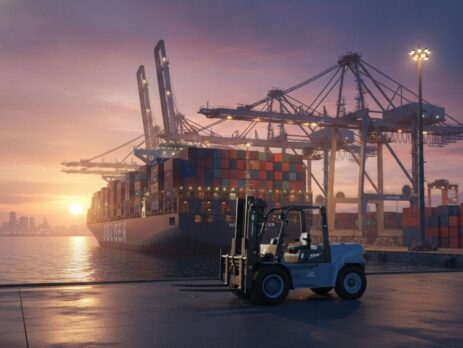
By choosing durable forklifts designed for demanding industrial environments, companies can improve operational efficiency, reduce downtime, and handle increasing cargo volumes safely
For businesses searching online for diesel forklifts for sale, heavy duty forklifts for logistics operations, or reliable forklift suppliers in Africa, understanding these key selection factors can help ensure the right equipment is chosen for long-term success in the logistics industry.